
Every great beer starts long before the fermentation tank. Behind consistent flavor profiles, stable shelf life, and regulatory compliance sits a well-equipped brewery laboratory – a dedicated scientific space where quality is measured, microbes are identified, and production decisions are made with data, not guesswork.
What Is a Brewery Laboratory?
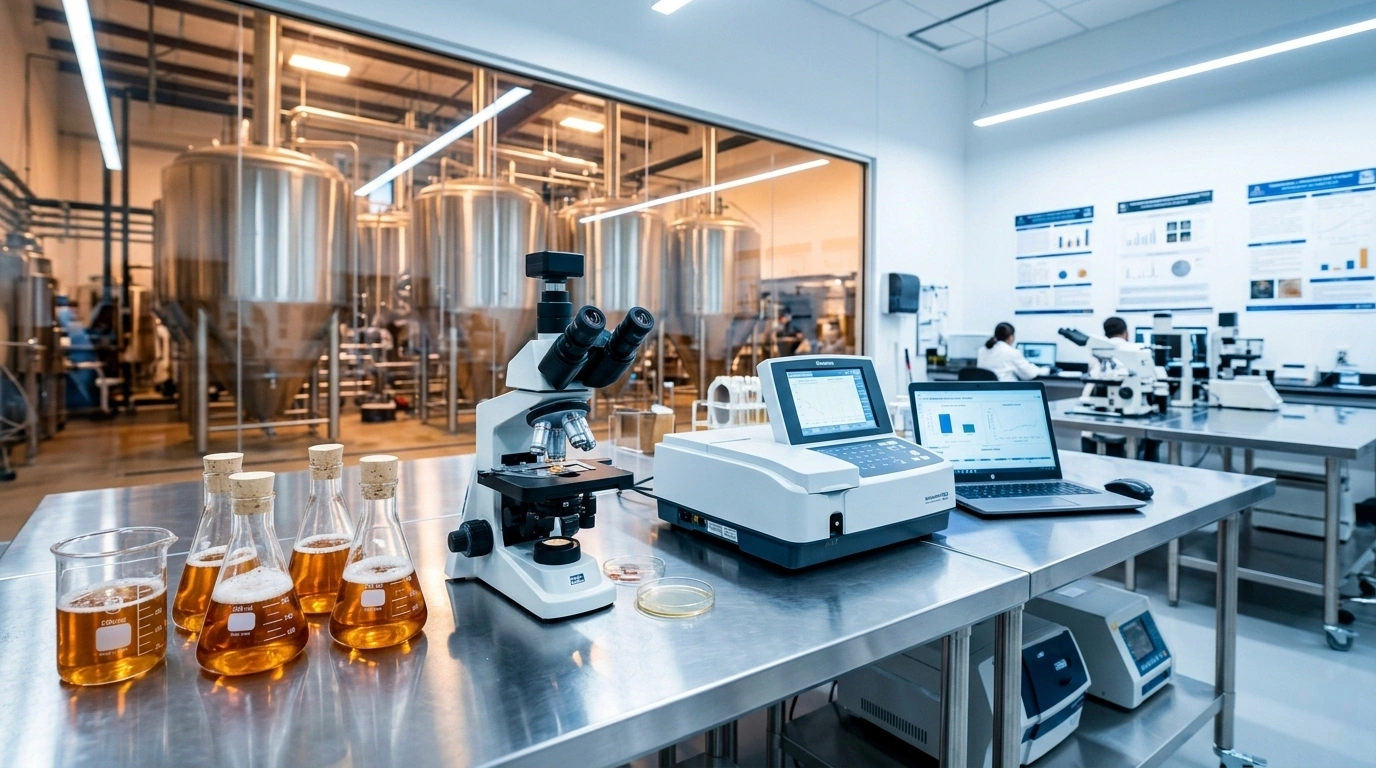
A brewery laboratory is a controlled scientific environment integrated into a brewing facility, responsible for microbial testing, chemical analysis, sensory evaluation, and process validation. Unlike general-purpose labs, a brewery lab must balance food-grade hygiene standards with heavy-duty analytical demands – testing for wild yeast contamination, measuring dissolved oxygen, tracking hop acids, and monitoring fermentation kinetics simultaneously.
According to industry benchmarks, breweries with dedicated QC laboratory programs report up to 40% fewer batch rejections. The investment in proper brewery laboratory infrastructure pays for itself rapidly through waste reduction alone.
Related reading: How to Design a Food-Grade Laboratory Layout .
Essential Equipment for a Brewery Laboratory
Below are the core equipment categories every brewery laboratory procurement plan should include, along with the specific considerations that differentiate good purchases from costly mistakes.
Biosafety Cabinet
Class II BSC for yeast cell counting and microbial plating in sterile conditions.
Lab Benches
Height-adjustable, anti-vibration benches for microscopy and spectrophotometry.
Lab Worktops
Chemical-resistant resin or epoxy surfaces rated for pH extremes common in brewing analysis.
Lab Storage Cabinet
Flammable material cabinets for reagent storage with ventilation and lock compliance.
Medical Refrigerator
Precision-temperature storage for yeast cultures, reagents, and microbiological media.
Fume Hood
Chemical analysis & solvent handling. Essential for hop acid extraction and alcohol testing.
Lab System Engineering
Integrated gas, water, drain, and electrical services designed for brewery-specific workflows.
Clean Room Equipment
HEPA filtration and positive-pressure enclosures for wild yeast-free propagation zones.
1. Fume Hood – The Chemical Analysis Workhorse
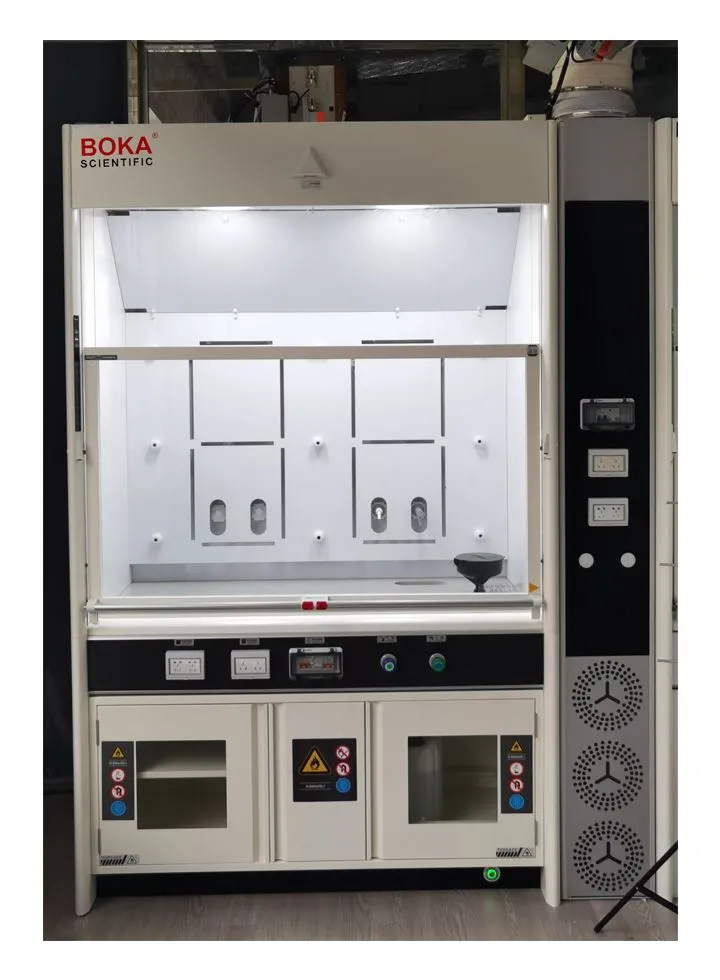
In any brewery laboratory, solvent-based analysis – from iso-alpha acid quantification to diacetyl testing – requires a fume hood rated for continuous operation. Look for ducted hoods with variable air volume (VAV) controls; they reduce energy costs by up to 60% compared to constant-volume models while maintaining face velocities above 0.5 m/s. For compact brewery labs, ductless recirculating hoods with activated carbon filters are a viable space-saving alternative.
See also: The Ultimate Guide to Fume Hoods: Definition, Types, Functions, and Safety Features.
2. Biosafety Cabinet – Contamination-Free Microbiology
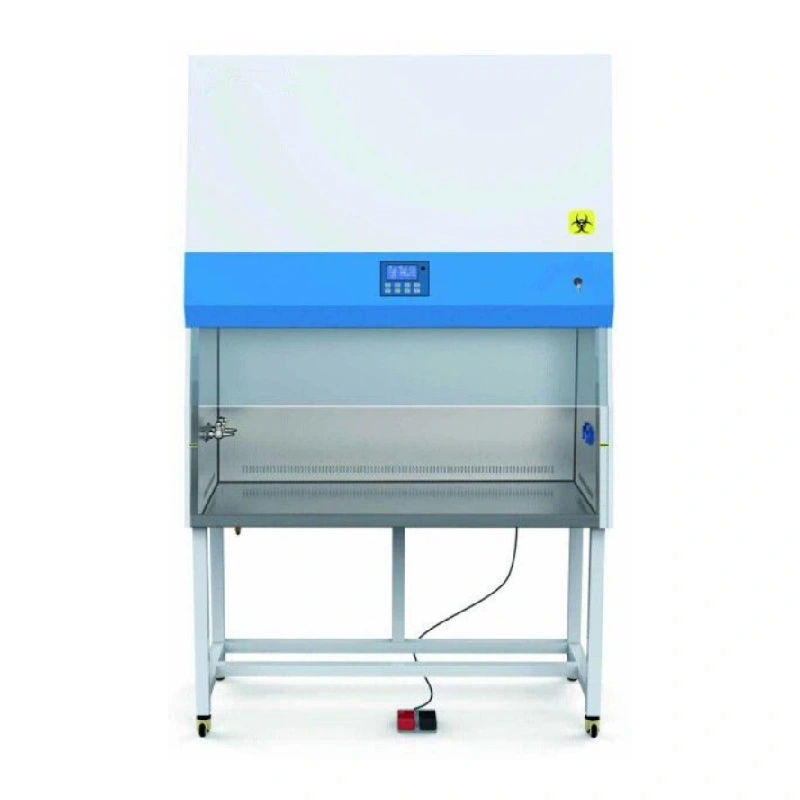
Microbial contamination is the number-one cause of off-flavors and batch loss in brewing. A Class II Type A2 Biosafety Cabinet provides HEPA-filtered, inward-flowing air protection during yeast handling, cell counting, and culture propagation. For a brewery laboratory handling both brewing yeasts and potential pathogenic organisms (e.g., in kombucha or mixed-fermentation facilities), upgrading to a Class II Type B2 cabinet with 100% external exhaust is strongly recommended.
3. Lab Worktops – The Foundation of Every Workflow
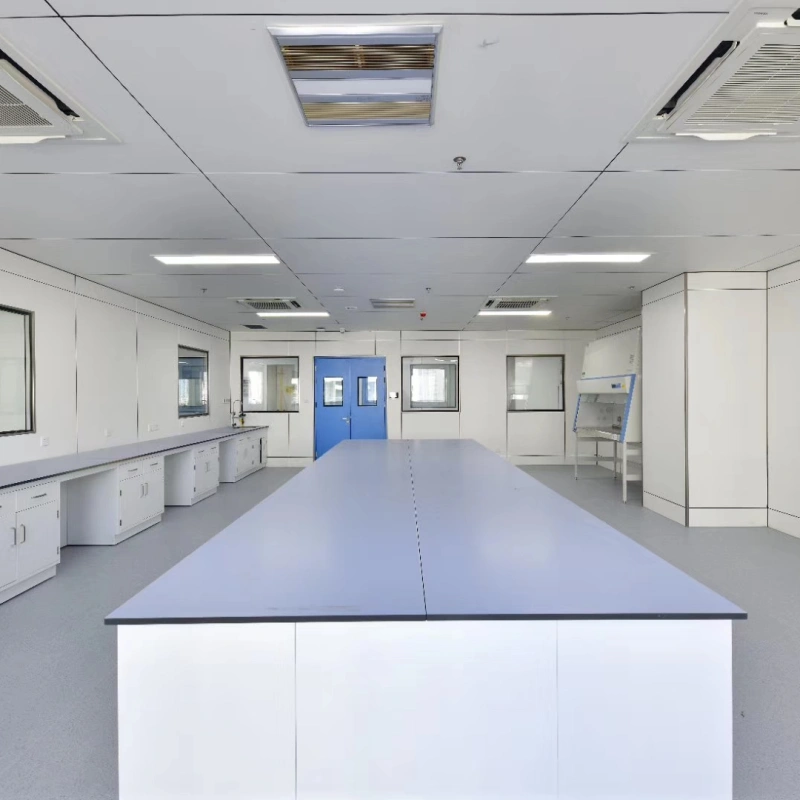
Standard laminate worktops are simply not adequate for brewery laboratory environments. Wort, cleaning agents, and chemical standards will degrade cheap surfaces within months. Specify epoxy resin or chemical-resistant phenolic resin worktops with seamless undermount sinks. These surfaces withstand repeated exposure to CIP (Clean-in-Place) chemicals, dilute acids, and caustic solutions without swelling, delaminating, or harboring microorganisms.
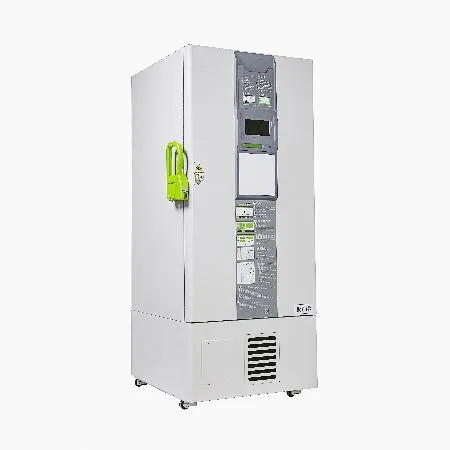
4. Medical Refrigerator – Yeast Culture Integrity
Yeast is the most valuable biological asset in any brewery laboratory. Domestic or commercial refrigerators produce temperature fluctuations of ±3–5°C – enough to stress or kill a carefully propagated culture. Medical-grade refrigerators maintain ±0.5°C stability with forced-air circulation, independent temperature alarms, and locking mechanisms for sample chain-of-custody compliance. For brewery labs maintaining multiple proprietary strains, a dual-zone unit with separate compartments for cultures (2–4°C) and reagents (4–8°C) is the recommended configuration.
5. Clean Room Equipment – Wild Yeast Elimination
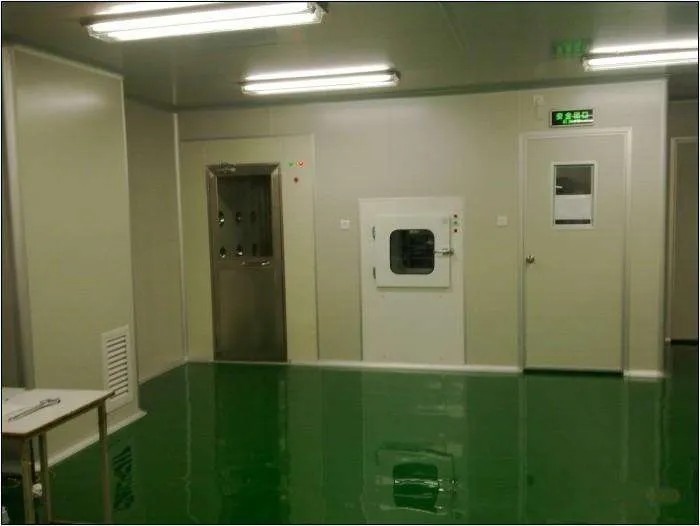
Progressive brewery laboratories in large-scale production facilities increasingly incorporate ISO Class 7 or 8 clean room zones around yeast propagation vessels. HEPA fan-filter units (FFUs), sticky-mat entryways, and positive-pressure airlocks reduce airborne particle counts dramatically – making it possible to pitch pure cultures batch after batch without contamination risk.
“A brewery without a proper laboratory is flying blind. Quality control starts with the right infrastructure – not just the right recipes.” – Common axiom in craft beverage QA circles
⒍Lab Safety Cabinets & Storage: Compliance First
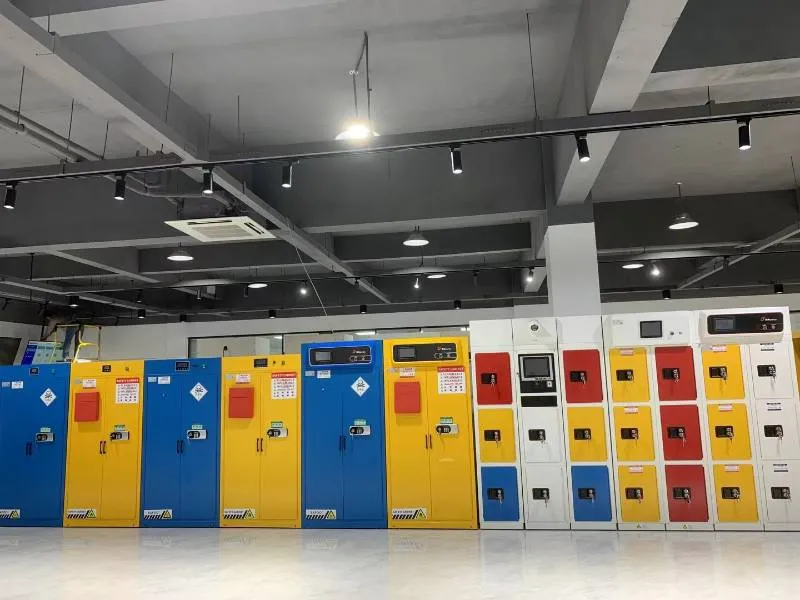
Brewery laboratories routinely store isopropanol, methanol, acetonitrile, and other flammable reagents. Regulatory requirements (OSHA 29 CFR 1910.106, NFPA 30) mandate that quantities above 10 gallons of Class I flammables must be stored in listed safety cabinets. Lab Safety Cabinets with double-wall steel construction, 3-point latching doors, and 2-inch liquid-tight sills protect both personnel and product. Always confirm FM or UL listing when sourcing for export markets.
Explore: 5 Key Features To Consider When Choosing A Flammable Safety Cabinet.
⒎Lab System Engineering: Designing for Workflow
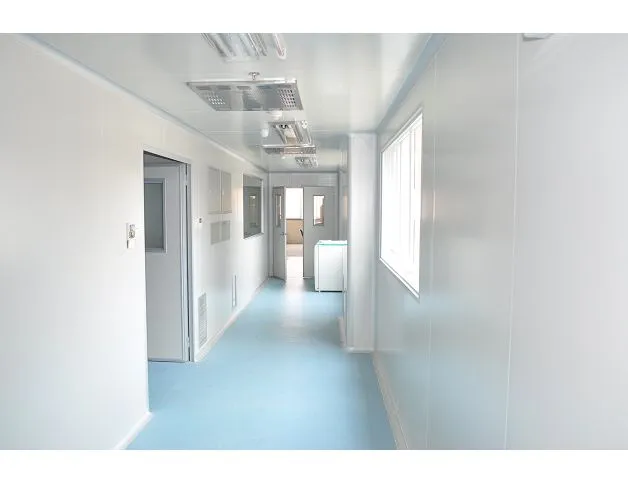
The most frequently overlooked aspect of brewery laboratory design is services infrastructure. A properly engineered lab integrates compressed air lines (for pneumatic instruments), purified water loops (for HPLC mobile phases and glassware rinsing), floor drains rated for chemical waste, and explosion-proof electrical circuits near solvent-handling zones. Lab System Engineering as a turnkey service – encompassing mechanical, electrical, and plumbing design alongside equipment specification – reduces costly change orders during construction by standardizing everything before the first wall goes up.
Procurement Checklist: What to Evaluate When Buying Brewery Lab Equipment
Material certification :
verify all food-contact surfaces meet FDA 21 CFR or equivalent local standards
Chemical resistance rating :
request manufacturer test data for specific reagents used in your brewery laboratory
Spare parts availability :
cross-border equipment needs confirmed parts lead times and local service agents
Energy efficiency class :
lab refrigerators and fume hoods are major energy consumers; compare annual kWh ratings
Modularity :
can benching and storage systems be reconfigured as your brewery QC workflows evolve?
Certification compliance :
CE marking for EU, ANSI/SEFA for North America, GB standards for China
Supplier lead time :
critical for brewery laboratory build-outs tied to facility construction timelines